

In late 2024, the U.S. faced a wave of drone sightings over military installations in New Jersey, including key sites like Picatinny Arsenal and Naval Weapons Station Earle. These mysterious drones sparked widespread fear, and despite multiple agencies, including the Department of Defense, investigating, no clear answers emerged.
The Biden administration echoed a similar line of ignorance, assuring the public they had no information on the drones’ origins. This left the public in a state of confusion, especially given that these drones were flying over critical infrastructure. As the situation escalated, the Department of Defense and other agencies, including the FBI and DHS, were unable to determine who was behind the drone activity. There was also no evidence of foreign involvement, though national security concerns remained high.
For weeks, the country was left in the dark about the true nature of these drones, with the Biden administration failing to offer a clear or accurate explanation. The narrative was filled with confusion as the administration acted as if the drone sightings were entirely unexpected and unexplained, leaving the public in a state of heightened anxiety.
The Biden Administration’s Response: “We Don’t Know”
Throughout the ordeal, the Biden administration’s response was strikingly evasive. Officials at the White House, including President Biden himself, repeatedly stated that they had no idea what the drones were or who was operating them. This lack of transparency only fueled the public’s concern, as the drones were seen flying over critical sites such as nuclear plants, military installations, and transportation hubs.
Despite mounting reports and speculation, the Biden administration stuck to its story, offering no evidence or details to calm the growing fears. The American public, already uneasy due to global tensions and rising national security concerns, was left to wonder: if these drones posed no threat, why was the administration so unwilling to provide any answers?
The Trump Administration Shines A Light
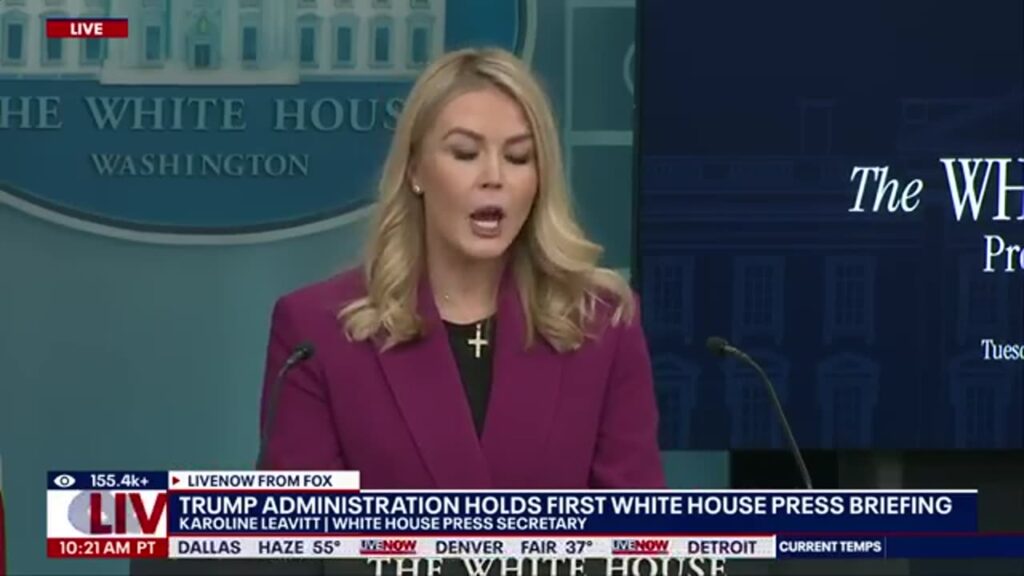
It wasn’t until the Trump administration took office in 2025 that the full story began to come to light. White House Press Secretary Karoline Leavitt, during a press briefing, revealed that the drones in question had in fact been authorized by the Federal Aviation Administration (FAA) all along. These drones were part of FAA-approved operations, designed for research and recreational use, and posed no real security threat to the nation.
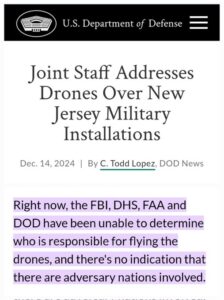
The Biden administration’s narrative surrounding the New Jersey drone sightings was filled with contradictions. While the Department of Defense, in December 2024, stated that the FAA couldn’t identify the drone operators, White House Press Secretary Karoline Leavitt, under the Trump administration, later revealed that the drones had, in fact, been FAA-authorized for research and recreational purposes. This stark contrast between official statements leaves the public confused, wondering how the FAA could authorize something it couldn’t even identify.
Such misinformation has eroded trust in government organizations, as it reveals not only a lack of clarity but also a failure to effectively communicate crucial details to the public. When key agencies contradict each other, it casts doubt on their competence and raises concerns about the handling of national security matters. This mistrust only deepens when the public is left in the dark for weeks, unsure of the true nature of the threat, which undermines confidence in the government’s ability to protect and inform its citizens.
The Lies and Their Consequences
The Biden administration’s failure to provide truthful and clear answers about the drone sightings not only caused unnecessary public panic, but it also revealed a troubling pattern of misinformation and lack of accountability. For weeks, the public was misled by a government that claimed ignorance about something that was, in reality, well within their knowledge.
This deception raises serious questions about the administration’s handling of national security threats. While the drones may not have posed an immediate risk, the failure to provide the public with accurate information was a grave misstep. The pattern of obfuscation mirrored other controversial moments under the Biden administration, such as the handling of the Chinese spy balloon incident, where the public was left in the dark until much later.
Trust Eroded and Accountability Needed
As the details surrounding the drones came to light, many Americans began to question the motives behind the initial lies. How many other events have been misrepresented or downplayed by the Biden administration? With transparency in short supply, the public’s trust in the government’s ability to handle national security matters has been severely damaged.
The Trump administration’s revelation came too late to undo the damage caused by the weeks of uncertainty. If the Biden administration had been forthright from the beginning, much of the fear and confusion could have been avoided. Instead, the public was left in a state of anxiety, unsure of who to trust and what threats might be looming.
How could the FAA simultaneously state they couldn’t identify the drones, then later reveal that the drones had been FAA-approved. It’s important to question whether the FAA’s approval and the administration’s late clarification align with the truth. Had the Biden administration been transparent earlier, much of the anxiety and uncertainty could have been avoided. Instead, the public was left unsure who to trust or what the real threat was.
Conclusion
In an age of constant surveillance and increasing national security threats, transparency and honesty from the government are paramount. The American people deserve better than the lies and obfuscations that have plagued the drone saga. It’s time for the government to be held accountable and to restore the trust that has been lost.
The confusion surrounding the New Jersey drone sightings highlights a deeper issue: censorship and the withholding of information from the American people. The Department of Defense’s claim that the FAA couldn’t identify the drones contrasted sharply with Karoline Leavitt’s later revelation that they were FAA-authorized. This discrepancy, fueled by lack of transparency, isn’t just about a failure to communicate; it reflects the greater danger of misinformation and control over critical details. When government agencies withhold or obscure information, they erode trust in institutions, making it harder for citizens to feel secure and informed. The real threat isn’t just misinformation; it’s the deliberate suppression of truth.
