

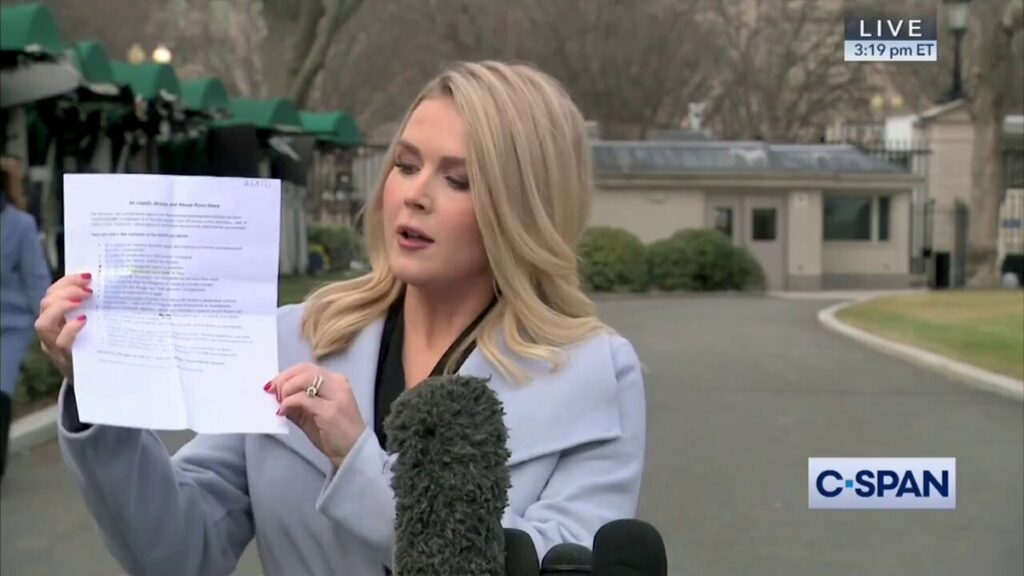
Press Secretary Karoline Leavitt criticized expenditures of USAID, stating that American taxpayers should not be funding such projects. She emphasized that President Trump has tasked Elon Musk with eliminating fraud, waste, and abuse in the federal government.
In recent years, the U.S. Agency for International Development (USAID) has allocated funds to various international projects aimed at promoting diversity, equity, and inclusion (DEI). Some of these expenditures have sparked debate regarding their relevance to U.S. taxpayers. Notable projects include:
1. DEI Initiatives in Serbia
USAID planned to provide $1.5 million to the Serbian non-governmental organization ‘Grupa Izadji.’ This funding was intended to enhance economic opportunities for the LGBTQI+ community in Serbia through the end of fiscal year 2025.
2. DEI Musical in Ireland
Reports indicate that USAID allocated $70,000 for the production of a DEI-themed musical in Ireland. Specific details about the musical and its objectives are limited, leading to questions about the appropriateness of such funding.
3. Transgender Opera in Colombia
USAID directed over $2 million toward DEI initiatives overseas, including funding for a transgender opera in Colombia. This expenditure has been criticized by some who question its alignment with USAID’s core mission and the interests of American taxpayers.
4. Transgender Comic Book in Peru
USAID allocated $32,000 for the creation of a transgender-themed comic book in Peru. Details about the content and distribution of the comic book are scarce, raising concerns about the necessity and impact of such a project.
These funding decisions have been met with criticism from various quarters. White House Press Secretary Karoline Leavitt expressed her disapproval, stating, “I don’t know about you, but as an American taxpayer, I don’t want my dollars going towards this.” She emphasized that President Trump has tasked Elon Musk, head of the Department of Government Efficiency (DOGE), with identifying and eliminating wasteful spending within federal agencies.
The scrutiny of USAID’s spending is part of a broader initiative by the current administration to reassess and redirect foreign aid expenditures, ensuring they align with U.S. interests and provide tangible benefits.
