

In a bold move under the new Trump administration, millions of federal employees are facing a crucial decision: return to the office or resign. The Trump team is pushing for a return to traditional in-office work, asserting that the work-from-home model, which many federal employees became accustomed to during the pandemic, must end.
The Mandate: Return to the Office or Resign
The new mandate comes with significant implications. Employees who have grown fond of working from home in their pajamas are now being told to either return to the office or resign. This is part of a larger initiative aimed at streamlining the federal workforce and saving taxpayers an estimated $100 billion.
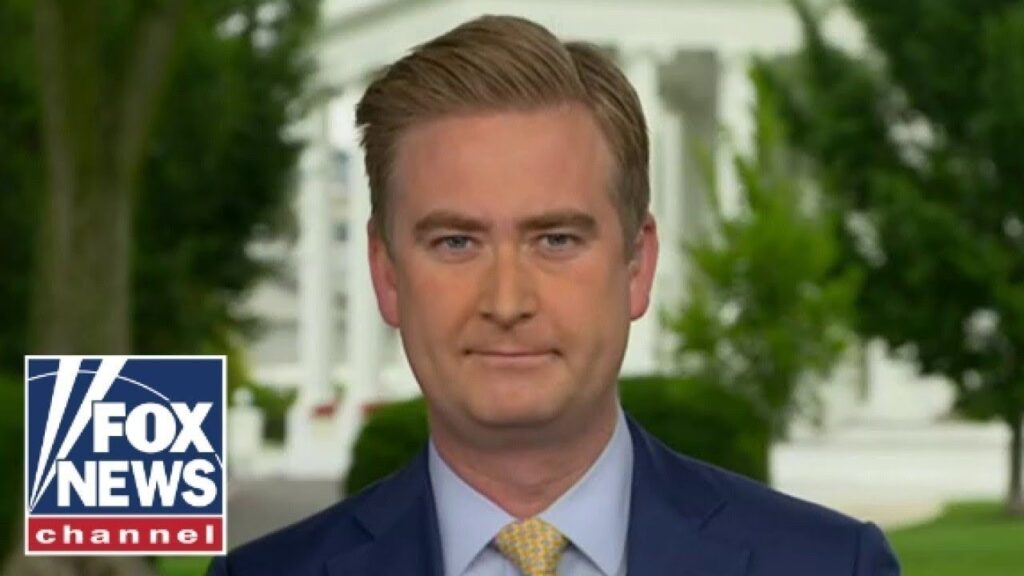
Peter Doocy, a Fox News reporter, broke the story, sharing details of an email sent to federal employees, which included a mandate to return to the office or face a resignation ultimatum. However, there’s more to the situation: employees who choose to resign will retain all pay and benefits, as well as exemption from in-person work requirements until September 30, 2025—or sooner, if they opt to accelerate their resignation. The initiative is targeting an estimated 200,000 employees, based on the fact that about 6% of federal workers currently operate in the office full-time.
The Trump administration views this move as a way to reduce wasteful spending and shift the focus back to the physical workplace, arguing that remote work isn’t as effective as in-person collaboration. The push for more streamlined operations and savings is also seen as an effort to better serve American taxpayers.
The Buyout Program
As part of the mandate, federal workers are being offered buyouts to voluntarily exit their roles. This new initiative is being framed as a cost-saving measure for the government, with an estimated $100 billion in savings if 200,000 employees take the buyout. While many employees are expected to resign under this program, it’s unclear how widespread the uptake will be.
The Case of General Mark Milley
While the buyout initiative primarily targets the federal workforce, certain individuals have found themselves in the spotlight. Notably, General Mark Milley, the Chairman of the Joint Chiefs of Staff, was singled out in the administration’s communications. Milley had his security detail revoked, and his military grade review is now under scrutiny. This decision comes amid allegations that Milley may have undermined the chain of command during the Trump administration’s first term. The Pentagon’s response to the situation indicates that a formal inquiry is underway to investigate Milley’s actions, which could lead to consequences, including the loss of a star in his retirement.
A Shift in the Press Briefing Room
In other White House developments, the press briefing room has seen a shift in seating arrangements, with more room being given to new media outlets. Reporters now have the opportunity to apply for seats at the front of the room, a move aimed at encouraging broader representation and transparency in the press conferences. Yesterday, new media outlets such as Axios and Breitbart were seen taking up these newly available spots.
Press Briefing Dynamics
The dynamics of press briefings under the new administration have also changed. Peter Doocy observed that the reporters in the room are still adjusting to the rhythm of the new White House staff, particularly Press Secretary Karoline. She is navigating the challenging task of handling tough questions and setting the tone for the briefings. Though reporters are still gauging how far they can push her with questions, it’s clear that the new administration intends to be more direct and responsive.
During a recent press briefing, Karoline tackled questions related to the ongoing issues of the day, but it became evident that some topics, such as drones over New Jersey, were still in the spotlight. This was an issue that Doocy had raised to the President a week earlier, and Karoline was quick to address it with clarity, providing the official response that these drones were FAA-authorized flights.
Looking Ahead
As the Trump administration continues to settle in, more changes are expected, especially with regard to how the federal workforce is structured and how the White House engages with the media. The tension between traditional office work and remote work is just one piece of the puzzle in a larger effort to streamline government operations and create a more accountable and responsive administration. It remains to be seen how successful the buyout initiative will be and what long-term effects this shift will have on both federal workers and taxpayers.
For now, federal employees will have to decide whether they are willing to return to the office or if they’ll take the buyout offer and step away from government service altogether. Similarly, the press and public will be watching closely to see how the new media relations and government transparency efforts unfold.
This is a pivotal moment for both federal workers and the broader political landscape, with potentially sweeping consequences for the future of the U.S. government’s operations and its relationship with the American people.
